Article
How to Design the Best Charity Donation Page for Fundraising
LAST UPDATED:October 17, 2024
A well-designed charity donation page can make or break your fundraising efforts. Imagine visiting a cluttered, confusing website — you’d likely leave without donating, right? On the flip side, a donation page that’s clear, engaging, and easy to use can inspire visitors to give generously.
In today’s world, where every UK charity and nonprofit competes for attention, having a well-crafted donation page is key to standing out and meeting your fundraising goals. In this guide, we’ll explore how to design the best charity donation page to boost your fundraising efforts. From call-to-actions (CTAs) to mobile optimisation, we’ll cover everything you need to know to convert visitors into donors.
Understanding the Audience
The first step to designing an effective charity donation page is understanding the audience. Not all donors are the same, and your page should be tailored to resonate with different segments of your target demographic.

Identifying Target Donors
Understanding your donor base is crucial. Are they younger, tech-savvy individuals, or are they older, more traditional supporters? Knowing who your donors are helps shape both the design and the messaging of your page. For instance, millennials and Gen Z donors tend to prefer seamless digital experiences with options for recurring donations, while older donors might appreciate more traditional payment methods, such as checks or phone donations.
Some brands set up multiple landing pages, each targeting a particular demographic or reflecting a particular campaign. Specific keywords are used to draw visitors to these pages via organic search engine results or online ads. These keywords form part of the narrative that resonates with the target audience.
Crafting a Message that Appeals to Emotions and Values
The language used on your fundraising pages should be considered carefully. Donors want to feel like their contribution is making a difference to a good cause. Use language that evokes empathy, passion, and a sense of urgency.
Forming an emotional connection with users that encourages donations is very important. We’ll cover messaging and copywriting in more detail later on.
Build Trust
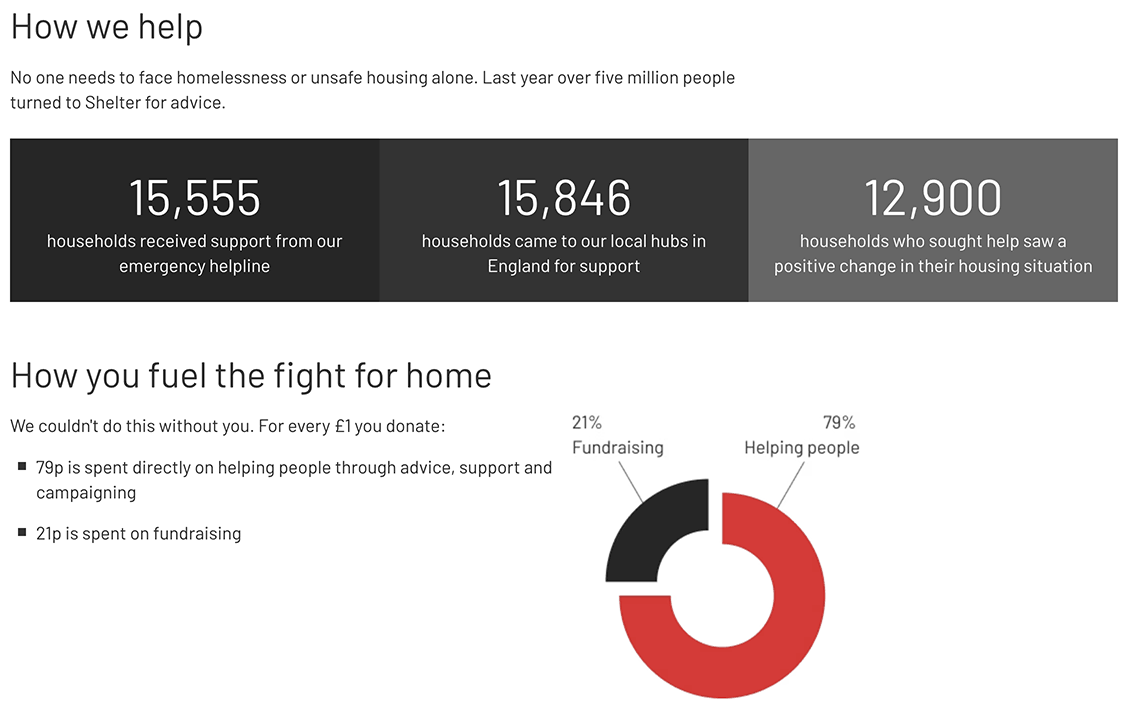
Transparency is key to gaining donor trust. People are more likely to give when they know how their money will be spent. Show clear breakdowns of where donations go—such as how much will be allocated toward specific programs, overheads, or direct aid.
Loyalty and trust are also gained through the implementation of professional web design, well-written copy, recognisable brand names (including partners and supporters) and the use of secure payment processors.
Essential Features of an Effective Donation Page
Clear and Compelling Call to Action
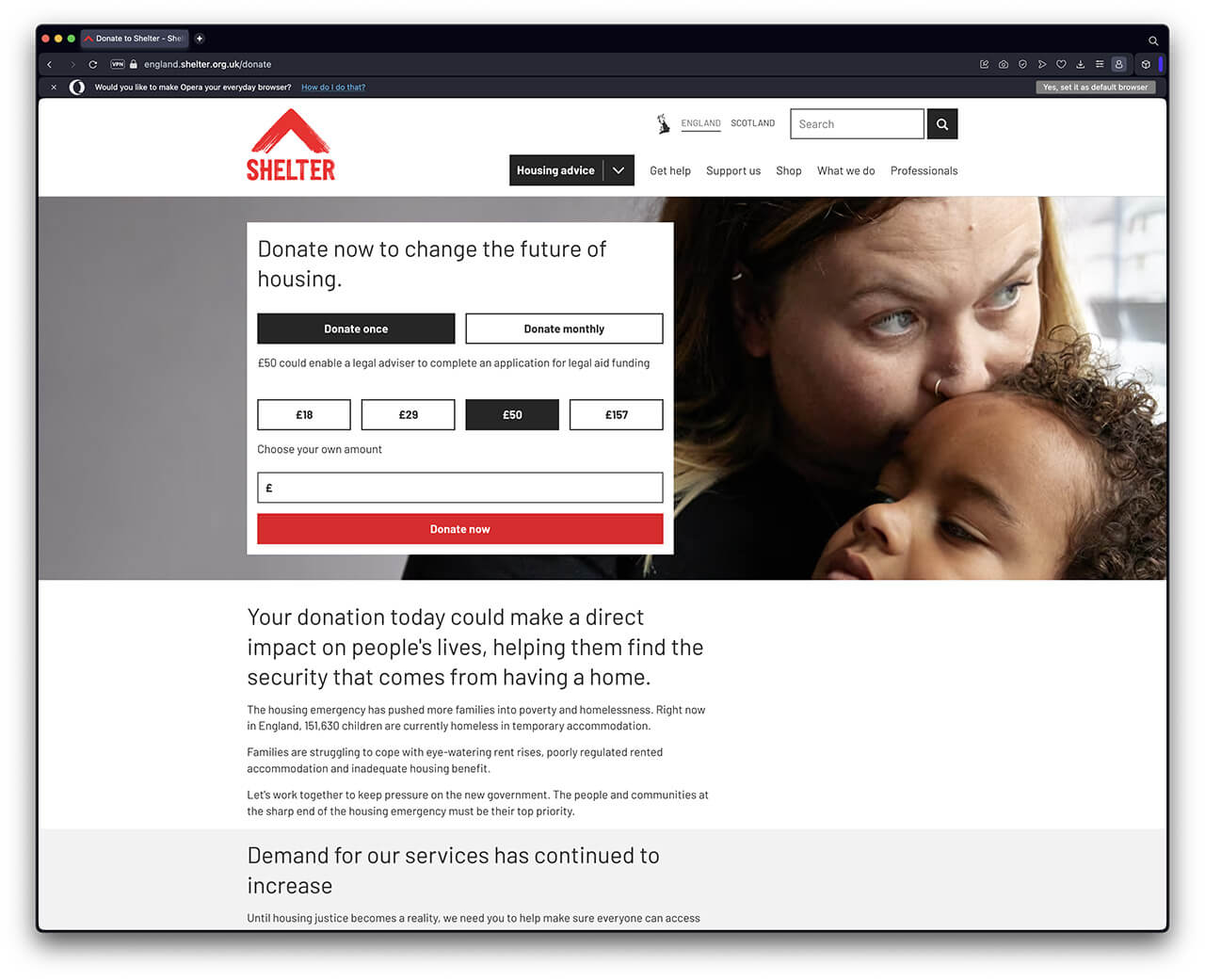
The call to action (CTA) is the heart of your donation page. Ensure that your donate button stands out visually and use persuasive, action-oriented language such as “Donate Now” or “Help Make a Difference Today.” Place the CTA in a prominent location, ensuring it’s visible on all devices.
Simplified Donation Process
Streamlining the donation process is essential to avoid losing donors halfway through. Limit the number of steps required to complete a donation. The fewer clicks it takes, the better. Ideally, users should be able to select a donation amount, enter payment information, and submit their gift in just a few clicks.
Mobile Optimisation
In today’s world, mobile optimisation is crucial. A significant portion of web traffic comes from mobile users, so your donation page must function flawlessly on mobile phones and tablets.
When designing for mobile, prioritise simplicity. Avoid overloading the screen with too many elements, and ensure that the most critical parts—like the donation button—are always easily accessible.
And lastly, you may consider driving potential donors to your fundraising page via a QR code on printed material. If this is the case, make sure you test your design on various devices to ensure a smooth, user-friendly experience.
Cross-Browser Compatibility
Your donation page also needs to work well across different browsers. Test for compatibility with popular browsers like Chrome, Safari, Firefox, and Edge to ensure that all visitors have a seamless experience, regardless of their chosen platform.
Visual Storytelling: Using High-Quality Images and Videos
Images and videos are powerful storytelling tools. High-quality visuals that illustrate your cause’s impact can evoke emotions and inspire action. For example, a video featuring beneficiaries explaining how donations have improved their lives can create a stronger connection with donors.
Tell a story through visuals. Whether it’s images of the people your charity supports or infographics showing how funds are allocated, visuals are a great way to help communicate your mission more effectively than text alone.
While visuals are essential, they shouldn’t compromise page load times. Optimise images for the web by reducing their file size without sacrificing quality. A fast-loading page keeps visitors engaged, while a slow page can lead to frustration and higher bounce rates.
Designing an Easy-to-Navigate Donation Page
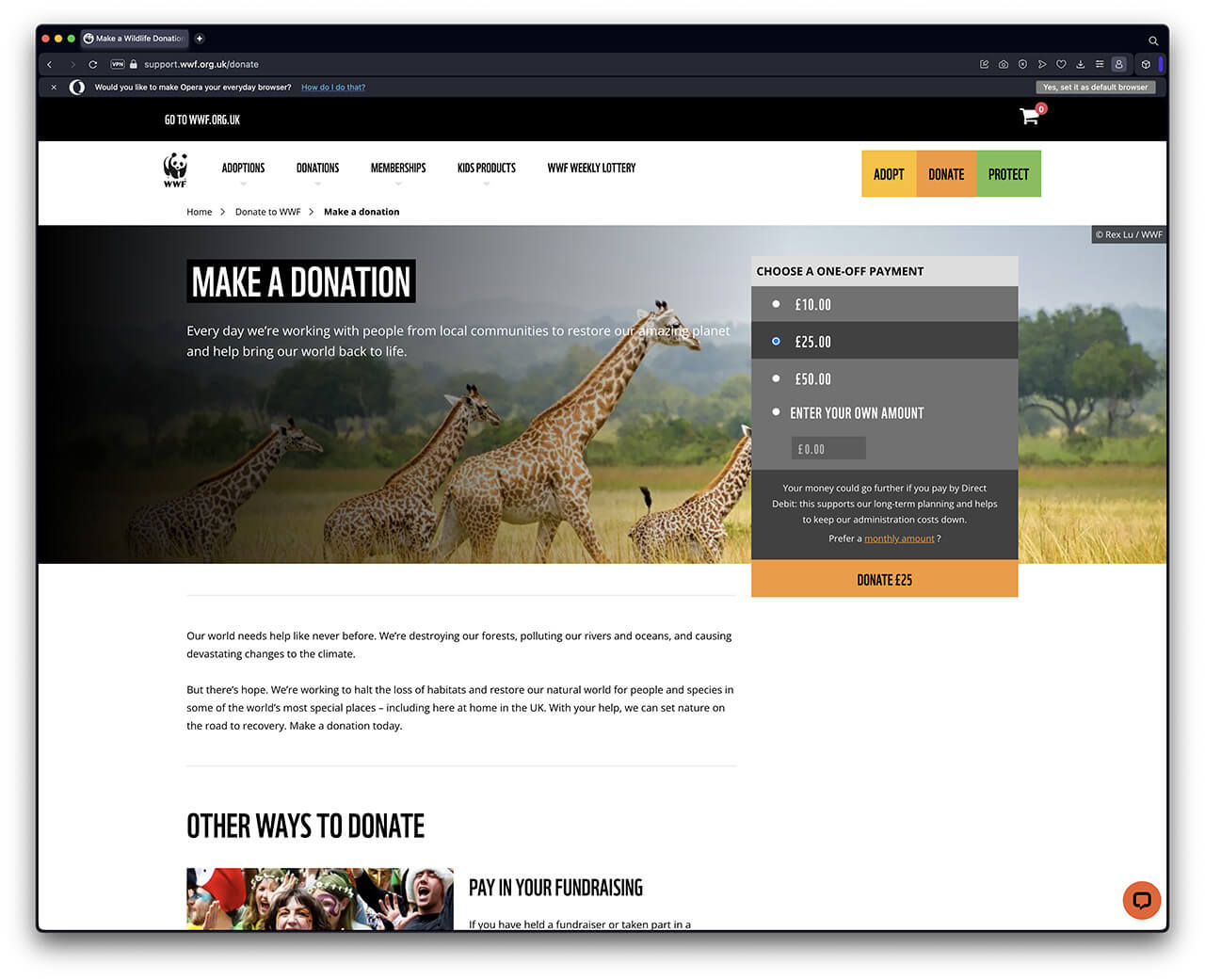
A cluttered or confusing layout can turn potential donors away. A clean, simple design that prioritises usability will keep visitors engaged and encourage them to complete their donation.
Importance of User-Friendly Design
A user-friendly design starts with understanding the flow of the page. Place the most important information and the CTA in a logical sequence. Ensure that navigation is intuitive, with clear headings and sections that guide the visitor effortlessly toward the donation form.
Structuring Content for Clarity and Impact
Structure your content in a way that highlights the key messages. Use bullet points, short paragraphs, and bold text to break up dense sections and emphasise critical points. Your goal is to ensure that donors can quickly scan the page and grasp the main takeaways.
Strategic Use of Whitespace and Colours
Negative/whitespace is your friend in web design. It allows your content to breathe and keeps the page from looking overwhelming. Additionally, the choice of colours should align with your brand while enhancing readability and focusing attention on the donate button.
Donation Options and Payment Methods
Offering Multiple Donation Tiers
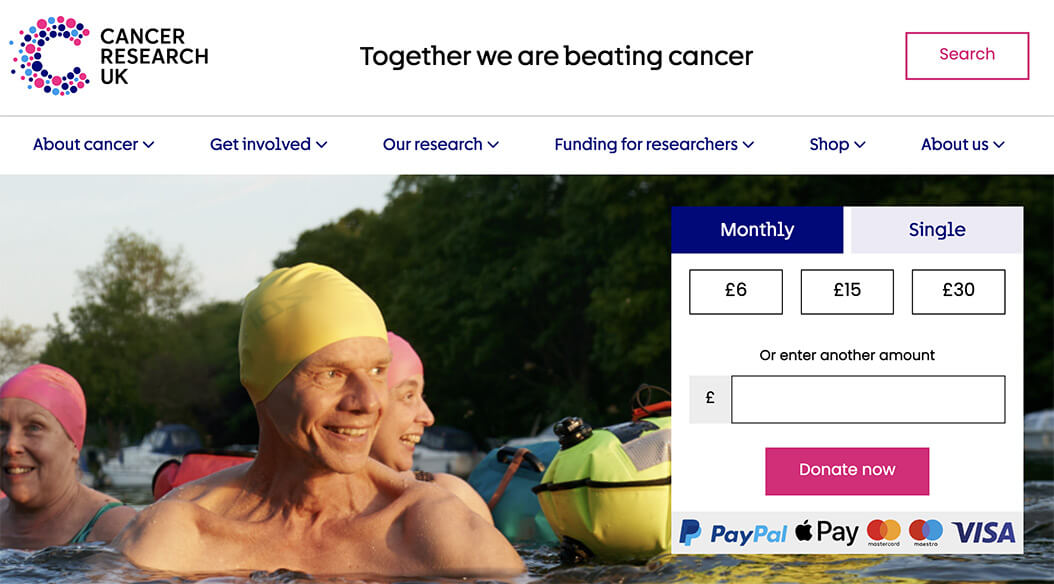
Provide donors with a variety of donation options. Offering preset donation amounts (e.g., £10, £25, £50, £100) helps guide donors to give within suggested ranges, but always include a custom amount option for those who wish to give more or less.
Allowing Donors to Dedicate Their Donations
Personalisation can make a significant impact on a donor’s decision to give. One way to do this is by allowing donors to dedicate their donation to someone or something special. This feature can increase the emotional connection and inspire repeat donations.
Providing Flexible Payment Options
In today’s digital age, flexibility in payment methods is essential. Donors should be able to contribute using their preferred method, whether it’s a credit card, PayPal, or even newer options like digital wallets.

Providing Options for Recurring Donations
Recurring donations are one of the best ways to secure long-term financial stability for your nonprofit organisation. Allow donors to set up monthly or annual contributions easily, and offer incentives such as donor recognition for ongoing support.
Acknowledging donors is crucial for building lasting relationships. Include features that allow for instant thank-you messages upon donation, as well as options for recognising major donors on the site or through follow-up communications.
Security Considerations for Online Payments
Security is a top concern for online donors. Ensure that your payment processor is secure and PCI-compliant, using SSL encryption to protect personal and financial data. Displaying trust symbols, such as SSL certification logos or endorsements from recognised organisations, helps reassure donors that their information is safe.

Incorporating Social Proof
Showcasing Donor Testimonials
One of the most effective ways to build credibility is by showcasing testimonials from past donors. Positive feedback from individuals who have already contributed helps new visitors feel more confident about donating.
Displaying Donation Meters or Impact Stats
Visuals like donation meters or impact statistics (e.g., “We’ve raised £10,000 of our £50,000 goal”) provide transparency and urgency. When donors see the tangible progress made toward a goal, they are more motivated to help close the gap.

You’ll notice that all of the best fundraising platforms such as GoFundMe and JustGiving use this tactic to help drive donations, particularly if there is a target date set to raise the fund by.
Featuring Endorsements from Influential Supporters
If your charity has received endorsements from celebrities, influencers, or reputable organisations, highlight them. Endorsements from trusted figures can significantly enhance your credibility and encourage others to donate.
Crafting Compelling Copy for Maximum Engagement
Writing Headlines that Capture Attention
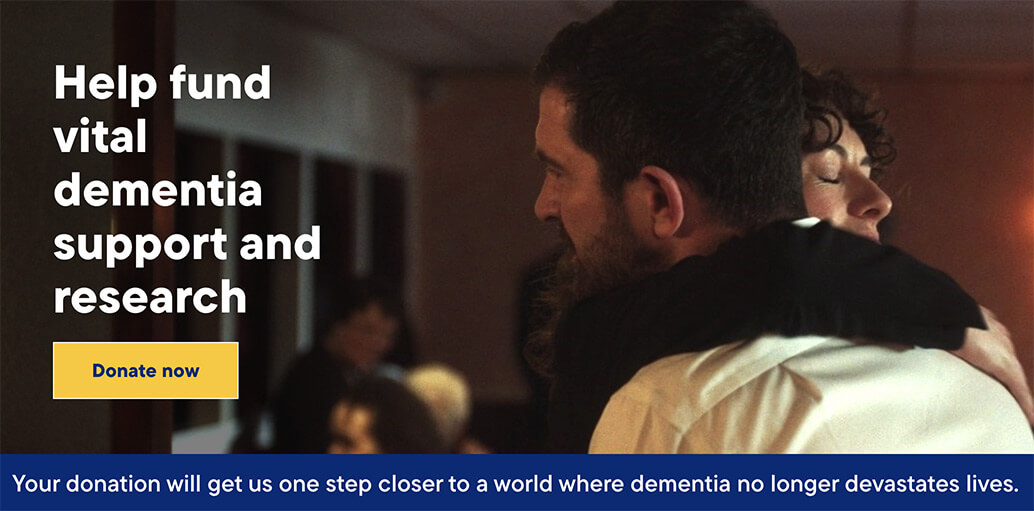
Your headlines should immediately grab the visitor’s attention and encourage them to read further. Use emotionally charged language that highlights the urgency of your cause and the impact of potential donations.
Creating Emotionally Resonant Donation Appeals
An emotionally compelling appeal can make a real difference when trying to connect to your target audience. Describe the challenges your beneficiaries face and how charitable donations will provide relief or support. Use real-life examples to create empathy and inspire action.
Utilising a Clear and Concise Writing Style
Don’t overwhelm potential donors with overly technical or long-winded content. Keep your copy clear, concise, and to the point. Use short sentences and paragraphs to make the content easier to digest, especially for mobile users.
The Importance of Transparency and Trust
Highlighting Where the Funds Will Go
Transparency about how donations will be used is critical for building trust. Break down your organisation’s expenses and show how contributions will be spent. This can include percentages allocated to specific programs, operational costs, or direct aid.
Offering Reports and Updates on Fundraising Efforts
After a fundraising campaign, follow up with donors to show them the impact of their contributions. Regular updates through email newsletters or blog posts, help maintain trust and encourage additional online donations.
Showcasing your fundraising events and projects is an easy way to highlight the social impact of your fundraising efforts and build trust with potential donors.
Providing Tax-Deductible Donation Information
If donations to your charity are tax-deductible, make this clear on your donation page. Include information about how donors can receive tax receipts and the benefits of donating from a tax perspective.
If you are concerned that adding this information will make the page look too text-heavy, we suggest using an accordion-style FAQ block to hold this information. Accordions are a great way to condense a lot of information into a relatively small space. They are also extremely user-friendly, helping improve the overall user experience of the page.
Leveraging Analytics to Improve Conversion Rates
Setting Up Tracking for Donor Behavior
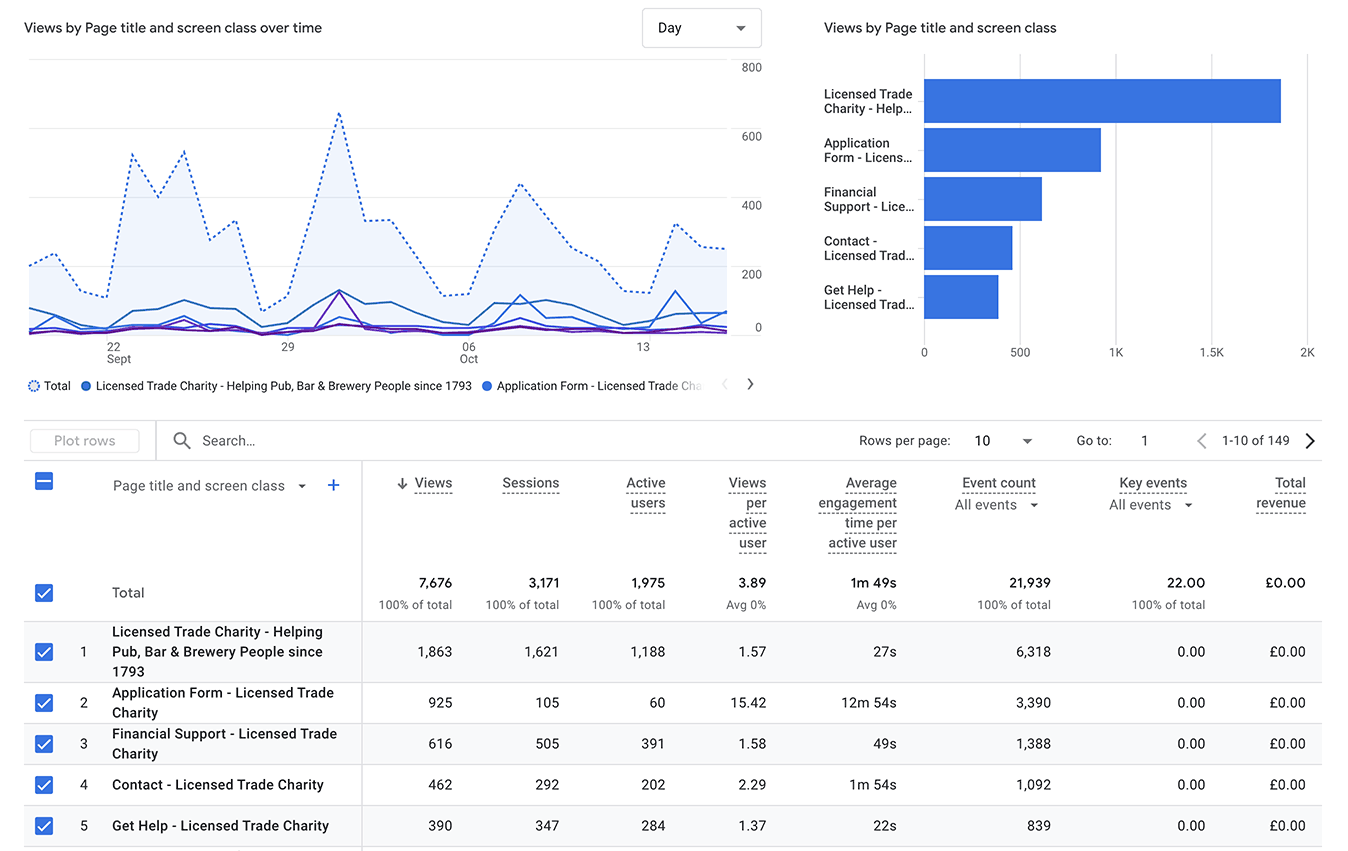
Tracking user behaviour on your donation page is essential for optimising its performance. Use tools like Google Analytics or Hotjar to monitor how donors interact with the page. Are they leaving before completing the donation? Are certain elements being clicked more than others? This data helps you make informed decisions on design improvements.
Analysing Conversion Data to Optimise the Page
Analyse conversion data to identify any bottlenecks in the donation process. For instance, if many visitors abandon the page after selecting a donation amount, the problem could lie in the payment gateway. By identifying where donors drop off, you can make targeted improvements.
A/B Testing Different Elements for Continuous Improvement
A/B testing allows you to experiment with different page elements to see which versions convert better. For example, you might test different headline variations, button colours, or page layouts to determine what resonates most with your audience.
Promoting the Donation Page
Using Email Marketing Campaigns
Email marketing is one of the most effective ways to drive traffic to your donation page. Create targeted email campaigns that feature compelling stories, updates on your fundraising goals, and clear CTAs directing recipients to donate.
Sharing Across Social Media Platforms
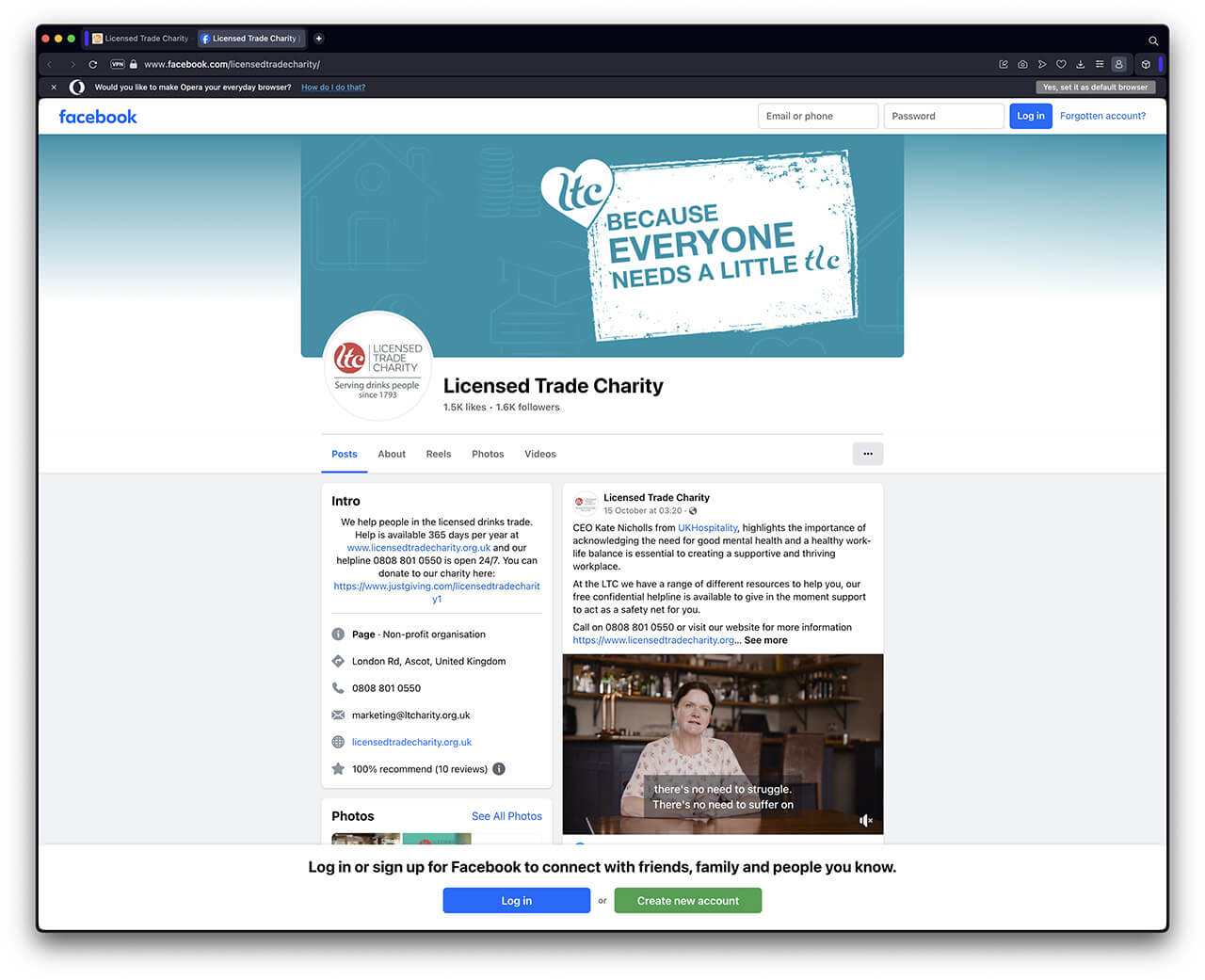
Social media is a powerful tool for spreading the word about your online campaigns. Share engaging content, such as videos or testimonials, across platforms like Facebook, Instagram, and Twitter, and include direct links to your donation page.
Partnering with Influencers or Organisations for Increased Visibility
Collaborating with influencers or other organisations can help expand your reach. Influencers with large, engaged audiences can promote your cause to new potential donors, while partnerships with like-minded organisations can lead to joint fundraising efforts.
Legal Considerations for Charity Fundraising
Compliance with Charity Laws and Regulations
Fundraising efforts must comply with local and international laws. Ensure your organisation is registered and follows all legal requirements for soliciting donations, including any necessary licenses or disclosures.
Ensuring Privacy and Data Protection for Donors
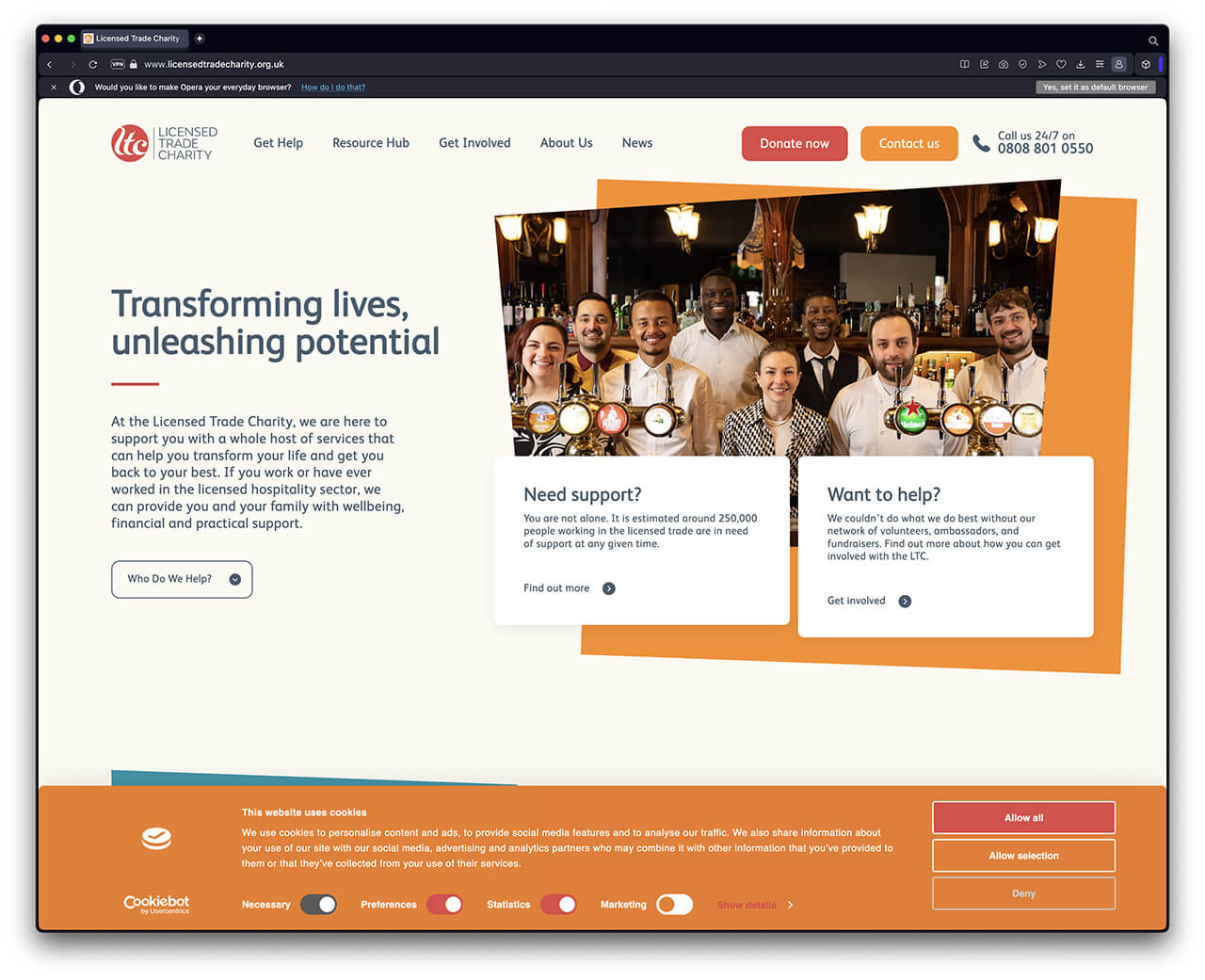
Donor privacy is paramount. Make sure your organisation adheres to privacy laws like GDPR or CCPA, and communicate how donor information will be stored and used. Implement strong security measures to protect donor data from breaches.
It’s unwise to store donor information directly on your website. Using a suitable CRM platform for donor management is preferable and far more secure. Simply ask our web agency about integrating your CRM with your website and payment gateway to offer a secure and seamless donations experience.
Displaying Required Disclaimers and Information Clearly
Certain jurisdictions may require specific disclaimers on donation pages. Ensure that all legally required information, such as your charity’s registration number and terms and conditions for donations, are displayed on the page.
Finalising the Page: Testing and Launching
Pre-launch Testing for Usability and Functionality
Before launching your donation page, conduct thorough testing to ensure everything functions as expected. Check for broken links, test the donation process, and make sure that all design elements display correctly across devices.
Gathering Feedback from Beta Users or Focus Groups
Invite a small group of users to test your page and provide feedback. Use their insights to identify usability issues, confusing elements, or areas where improvements can be made. This step ensures that your page is user-friendly and ready for launch.
Rolling Out Updates Based on Donor Feedback
After the page has been launched, continue to gather feedback from donors and make updates as necessary. Donor preferences and technology trends change over time, so your page should evolve to meet new expectations.
Charity Donation Pages: Conclusion
Designing the best donation page for raising funds is essential in today’s competitive landscape, where numerous organisations vie for donor attention. Your online platform should be more than just an aesthetically pleasing site—it must effectively communicate the charity’s mission, inspire trust, and simplify the donation process to maximise conversions.
When creating the ideal charity donation page, consider the overall user experience. Every element, from the layout and colour usage to the images & messaging, plays a pivotal role in guiding donors from initial interest to final contribution.
Designing the best charity donation page takes time, effort, and constant optimisation. But by following these steps you can create a page that not only attracts visitors but turns them into loyal donors with ease.
Contact LWDA
Need Help With Your Charity Website?
Thank you for taking the time to visit us today and read all about designing the best charity website donation page. If you’re looking to boost donations on your charity website, or perhaps create a new donation website from scratch, we’re here to help.
We have a proven track record of creating charity websites with a streamlined user journey, helping boost engagement and conversions. So if you’re ready to find out how we can help your charity harness a more effective online presence, fill out the form here and we’ll be in touch shortly. We’re always happy to discuss new projects and provide quotes where required.
Otherwise, drop us a line on 020 3297 7493 or schedule a meeting here via Zoom, Skype, Teams or Google Meet and we’ll be happy to join you for a chat.


Charity Donation Page FAQs

Depending on the complexity of the design and integrations required, it can take anywhere from a few days to a few weeks.
Some of the most popular software platforms include WordPress, Wix, and Webflow. These can be integrated with donation-specific tools like Donorbox and GoFundMe. At LWDA, we focus primarily on custom WordPress development, using APIs to integrate popular donation platforms and payment processors such as Stripe.
The most important feature is a clear and compelling call to action (CTA), which in this case would be a donate button. A well-designed CTA can guide donors toward completing their donations by creating urgency and making the process simple.
Building trust involves transparency about how donations will be used, providing security for online payments, and showcasing social proof such as testimonials or endorsements.
Use SSL encryption, display security certifications, and partner with trusted payment processors.
With more users accessing websites through mobile devices, ensuring that your donation page is responsive and easy to navigate on mobile can significantly improve user experience and conversion rates.
To make your donation page stand out, use emotionally compelling visuals and copy, incorporate social proof, and ensure that the donation process is as streamlined as possible.
Recurring donations are automatic, repeated contributions made at regular intervals (e.g., monthly). They are important because they provide a steady stream of income for UK charities and simplify the giving process for donors.
Promote your donation page through email campaigns, social media, and partnerships with influencers or other organisations. Leverage content like testimonials and stories to engage potential donors and drive traffic to your page.
Regular updates (at least quarterly) help keep your content fresh and relevant to your audience. Annual events such as Christmas and Easter may provide the ideal opportunity to refine the look & feel of your donation page, keeping it relevant for that time of year.
Like to see some of our work?
Charity Website Case Studies
You can see some of our most recent Charity Website Design case studies highlighted below, but you can see all website case studies here.